
By Dr. Alexey Markelov
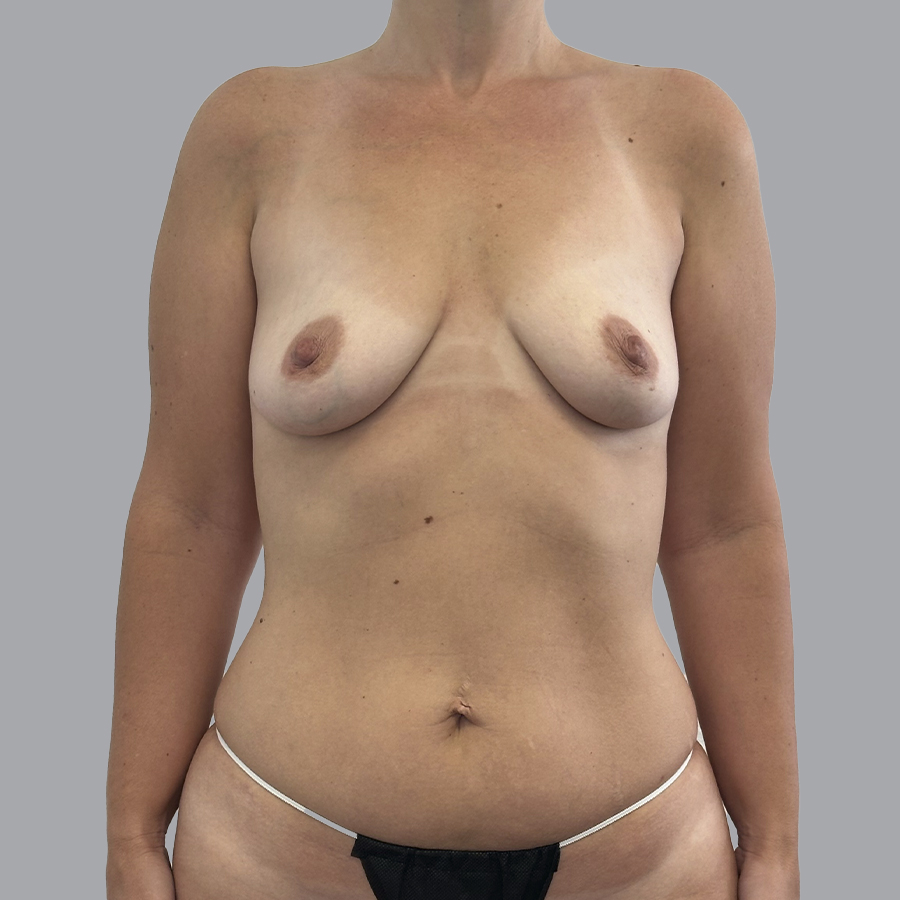
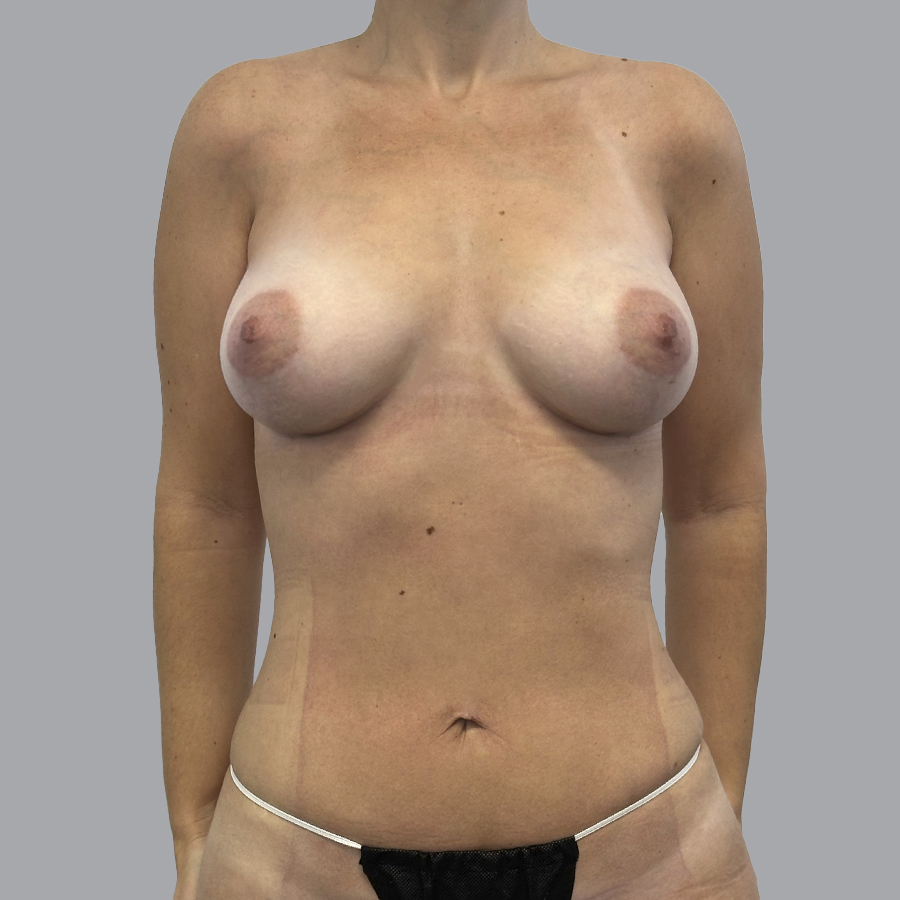
Combining breast implant removal (explant) with a fat transfer—often called auto-augmentation—has become one of the most highly requested procedures for patients looking to transition away from implants. It is an incredible way to restore contour, mask tissue thinning, and use your body's own natural tissue to rebuild the breast mound.
But as a board-certified plastic surgeon, my job isn't just to perform the surgery; it's to set realistic expectations. Fat behaves very differently than a synthetic silicone or saline implant. If you are considering this procedure, here are four clinical realities you need to understand before heading into the operating room.
1. Fat Cannot Fix Significant Sagging (Ptosis)
It's critical to understand the difference between volume and structure. Fat adds volume, but it does not tighten loose skin or lift the breast mound.
If your breast tissue has stretched over the years from the weight of your implants, or if the breast has dropped below the fold (inframammary fold), simply adding fat will only make a sagging breast heavier. To correct significant ptosis and reposition the tissue into a youthful, elevated position, a surgical lift (mastopexy) is required in conjunction with the explant.
2. The 30% Resorption Rule
What you see on the operating table is not your final result. Because we are transferring living tissue, your body has to work to integrate it.
As you heal, your body will naturally reabsorb a portion of the transferred fat. On average, you can expect about a 30% reduction in that initial volume over the first few months. The fat that survives this initial healing phase is there to stay, but you should anticipate a decrease in fullness from what you see immediately post-op.
3. Strict Volume Limits
A common question patients ask is: "If I'm going to lose 30% of the volume, why not just overfill the breast?"
The answer comes down to physiology and blood supply. Transferred fat cells require an immediate, robust blood supply to survive in their new location. If too much fat is grafted into the breast tissue at once, the cells in the center won't get enough oxygen and nutrients. This leads to fat cell death (fat necrosis) or the formation of hard oil cysts. To ensure the graft survives and remains healthy, we have strict limits on how much volume we can add in a single procedure. If your goal is a significant increase in volume, it may require multiple, staged grafting sessions.
4. You Need Sufficient Donor Sites
Auto-augmentation is essentially two procedures in one: liposuction and fat transfer. To add volume to the chest, we have to harvest the raw material from somewhere else—typically the abdomen, flanks, or thighs.
If you have a very lean body composition, you simply may not have enough donor fat available to achieve a meaningful augmentation. During an initial physical exam, we will assess your anatomy and target areas to ensure you are a viable candidate for a successful harvest.
The Final Takeaway
The goal of explant surgery with fat grafting is to achieve a soft, healthy, and entirely natural contour—not to recreate the high-profile, artificially round projection of an implant. When performed on the right candidate with the right expectations, it is a highly rewarding procedure that yields beautiful, organic results.